Sector
Pacific Islands
Portable diagnostics for the region with the world's highest diabetes and obesity rates, dispersed populations across thousands of islands, and critical healthcare workforce shortages.
Portable diagnostics for the region with the world's highest diabetes and obesity rates, dispersed populations across thousands of islands, and critical healthcare workforce shortages.
Pacific Island nations hold the top twelve highest national diabetes prevalence rates globally. Populations are dispersed across thousands of atolls and island groups covering millions of square kilometres of ocean. Specialist healthcare is concentrated in capital cities. Laboratory infrastructure is limited. Healthcare workers are scarce.
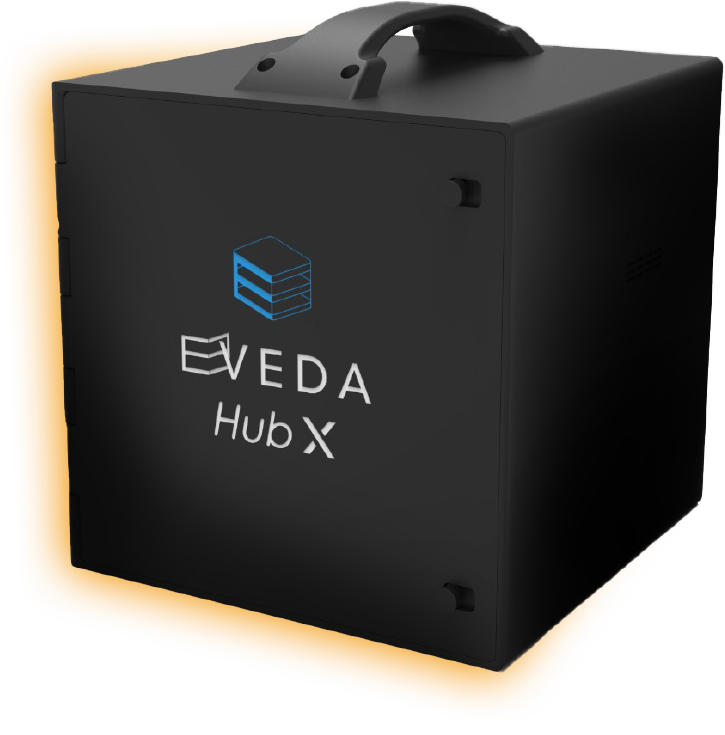
5.6kg, standalone power, satellite connectivity. Operates on outer islands with no mains power, no internet, and no laboratory. Designed for exactly these conditions.
Comprehensive screening for the chronic diseases devastating Pacific communities: diabetes, cardiovascular disease, kidney disease, and respiratory conditions, in 15 minutes.
Trained health workers can screen community members without a doctor present. Clinical review via telehealth from the national hospital or Australian specialists.
Critical in settings where phlebotomy services are unavailable. Five drops of capillary blood from a finger prick and a urine sample.
De-identified, aggregated population health data supports national health planning, WHO reporting, and evidence-based resource allocation across island groups.
TGA listed (Australia), Medsafe listed (New Zealand). Established regulatory foundation for deployment across the Pacific under WHO and development partner frameworks.
EVEDA is designed for deployment across Melanesia, Polynesia, and Micronesia, including Fiji, Papua New Guinea, Samoa, Tonga, Vanuatu, Solomon Islands, Kiribati, Tuvalu, Marshall Islands, and other Pacific Island nations.
We work with health ministries, NGOs, development partners, and regional health organisations to design deployment models suited to each country's context.
The EVEDA HubX captures data across six vital organs using just five drops of blood and a urine sample. No venepuncture. No lab. Results in 15 minutes.