Sector
Indigenous health
Culturally safe, portable diagnostic screening that reaches Aboriginal and Torres Strait Islander communities, supporting Closing the Gap priorities and enabling community-controlled health delivery.
Culturally safe, portable diagnostic screening that reaches Aboriginal and Torres Strait Islander communities, supporting Closing the Gap priorities and enabling community-controlled health delivery.
Aboriginal and Torres Strait Islander communities experience disproportionately high rates of chronic disease: diabetes, cardiovascular disease, kidney disease, and respiratory conditions. Many communities face structural barriers to accessing timely diagnostic services.
Bring comprehensive diagnostics directly to communities. No need for patients to travel to regional centres for basic health screening.
Patient-controlled data through the Health Passport. Consent-based sharing. Designed in consultation with Indigenous health leaders including Prof. Ngiare Brown.
No venepuncture: five drops of capillary blood from a finger prick. Reduces barriers in communities where needle anxiety or limited clinical workforce create access issues.
Does not require a doctor or specialist to operate. Community health workers can conduct screening with a clinician reviewing results remotely via telehealth.
Supports national priorities for Aboriginal and Torres Strait Islander health outcomes. Enables comprehensive chronic disease screening in community-controlled health settings.
De-identified, aggregated analytics support PHN reporting, community health planning, and evidence-based resource allocation for health programs.
In the spirit of reconciliation, EVEDA acknowledges the Traditional Custodians of country throughout Australia and their connections to land, sea and community. We pay our respect to their Elders past and present and emerging.
EVEDA is committed to fostering reconciliation and building strong, respectful relationships with Indigenous peoples. Our advisory board includes Prof. Ngiare Brown, a leading Indigenous health physician and public health expert.
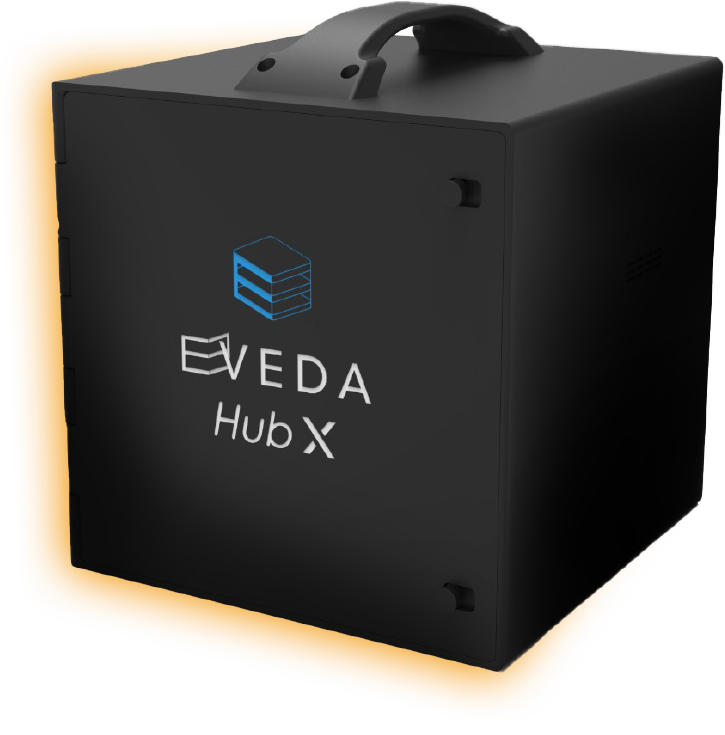
The EVEDA HubX captures data across six vital organs using just five drops of blood and a urine sample. No venepuncture. No lab. Results in 15 minutes.